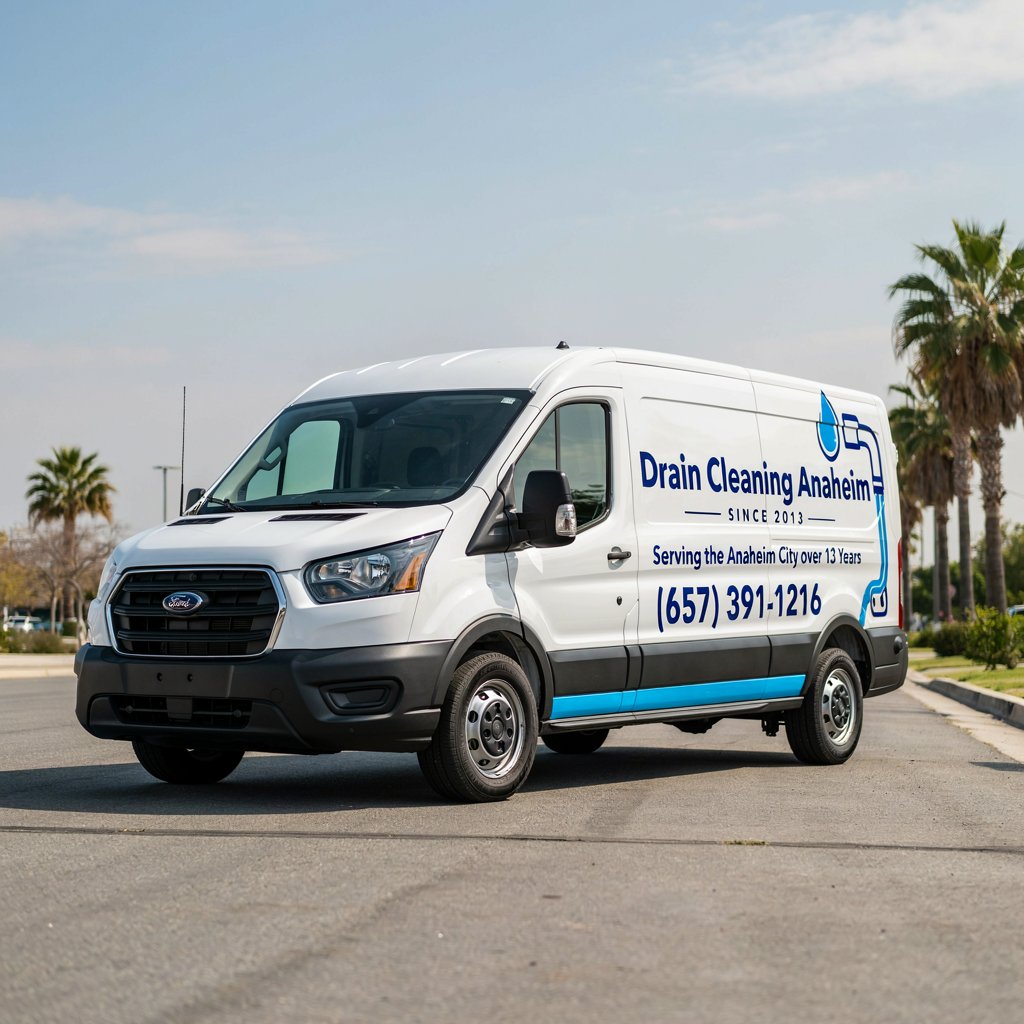
Grease Interceptor Cleaning in Anaheim, CA
A grease interceptor isn't a bigger version of the trap under your sink. It's a several-thousand-gallon underground tank that needs a vacuum pump truck, waste manifests, and a schedule tracked against the local sanitation district's 25% rule, not a quick hand-scoop.
Sized for the Kitchen, Not the Sink
A grease trap is a small point-of-use unit, often 20 to 50 gallons, installed under or near a single sink to serve a small kitchen. A grease interceptor is a different order of equipment entirely: typically 500 to several thousand gallons, installed underground or outdoors and plumbed to serve an entire high-volume kitchen's wastewater line. Interceptors require pump-truck service, not a hand-scoop, and are the code-required unit for larger food-service operations.
Physically, interceptors are large precast concrete or fiberglass tanks with multiple baffle chambers that give grease and solids a longer retention time to separate from the water than a compact trap could provide. Most Anaheim interceptors need pumping every 60 to 90 days, though high-volume operations like large restaurants and food halls often need monthly service. Local sanitation district rules require pumping once accumulated grease and solids reach 25% of the unit's liquid depth, the same threshold that governs smaller traps.
Sizing matters more here than most operators realize. Unit sizing follows Uniform Plumbing Code tables based on a kitchen's flow rate, meal counts, and number of connected fixtures, prep sinks, dishwashers, floor drains among them. An undersized unit reaches its accumulation threshold quickly, forcing more frequent pump-outs than a properly sized unit would need, and it's more prone to grease carryover into the sewer lateral, which can trigger sanitation district violations independent of how diligently you're scheduling service.
Documentation is part of what a proper interceptor service includes, not an afterthought. Every pump-out comes with signed, licensed waste-hauling manifest documentation showing volume removed, disposal location, and service date, ready to hand over for a health department or sanitation district audit without scrambling to find the paperwork after the fact. Keeping that manifest trail complete on every visit is standard practice for Anaheim drain cleaning experts who work with restaurants regularly.
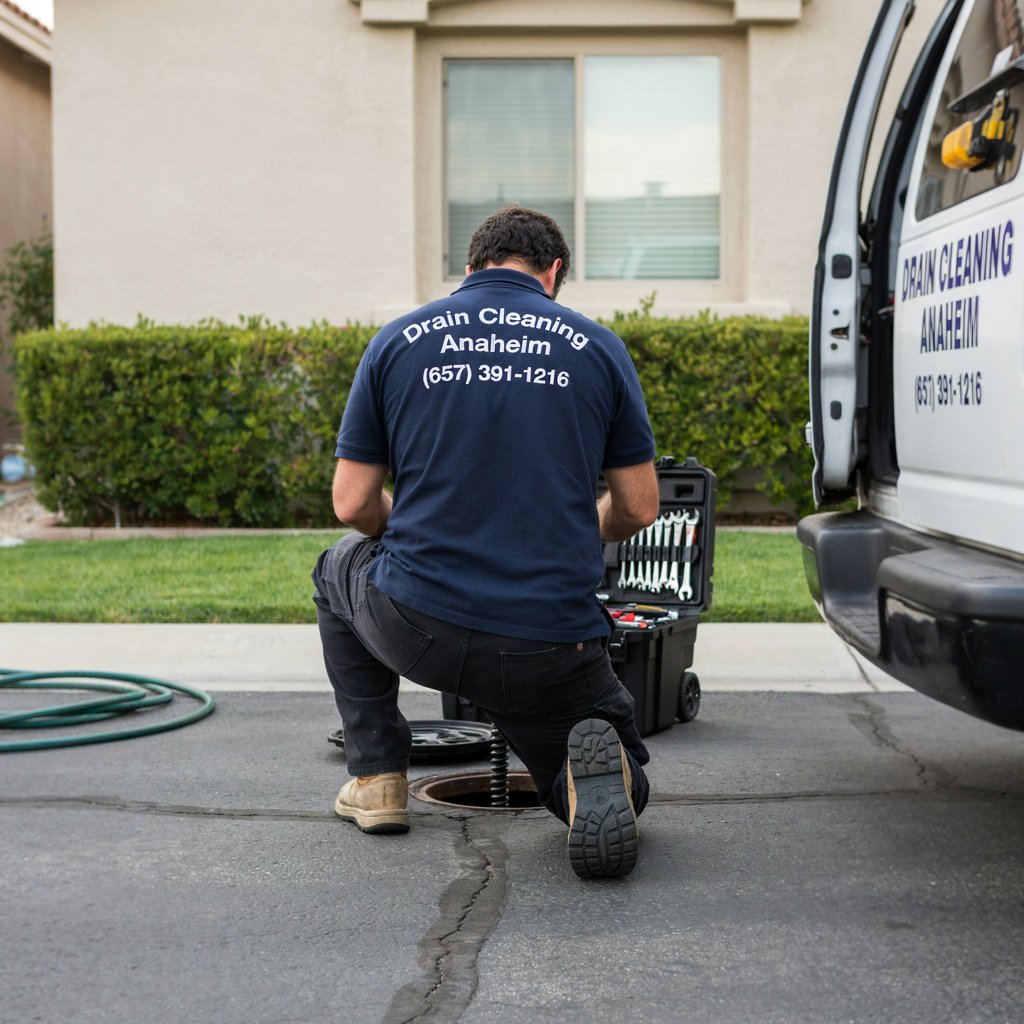
Pump-Truck Service, Scheduled Around You
Full documentation included, scheduled during your slower operating hours.
Accumulation Assessment
We check current levels against the 25% threshold before scheduling a pump-out.
Vacuum Pump-Out
Full removal of accumulated grease and solids from the tank's baffle chambers.
Manifest Documentation
Signed waste-hauling records showing volume, disposal location, and service date.
Interval Tracking
We monitor your accumulation rate over cycles and set a fixed, realistic schedule.
What Grease Interceptor Cleaning Costs
Recurring scheduled service is priced lower per visit than one-off calls. Large-capacity units and emergency same-day service run higher.
| Job | Typical Range |
|---|---|
| Standard pumping, mid-size underground unit | $395 – $875 |
| Recurring scheduled service, per visit | Discounted from standard rate |
These figures are typical ranges, not a guaranteed quote. Final pricing depends on tank size, accessibility, and accumulation since the last pump-out.
Signs Your Grease Interceptor Needs Service
-
Approaching or past your 60 to 90 day intervalEven with no visible symptoms, this is when accumulation typically reaches the 25% threshold.
-
Kitchen drains backing up more frequentlyOften the first operational sign an interceptor is nearing capacity.
-
Pumping frequency has been increasing over timeCan indicate the unit is undersized for your current kitchen volume.
-
Odor near the tank access or nearby drainsWorth investigating even without a backup, since it often precedes one.
-
An upcoming health department or sanitation district auditWorth having current manifests and a documented schedule in place beforehand.
What Anaheim Kitchen Operators Say
"Pumping frequency kept climbing every quarter. Turned out our unit was undersized for how much we'd grown. Good catch on their part."
"Manifests ready every single time for our health inspections. Never once had to chase down paperwork."
"Scheduled every pump-out before we opened. Truck was gone well before our first customers arrived."
Why Anaheim Kitchens Choose Us
Sizing Assessment Included
We check whether your unit still matches your actual kitchen volume as you've grown.
Complete Manifest Documentation
Every pump-out comes with audit-ready records, no separate request needed.
Scheduled Around Operating Hours
Crews off-site before service ramps up, every visit.
Guaranteed Workmanship
If an issue traces back to how service was performed, we return and correct it at no charge.
Grease Interceptor Cleaning Questions
What's the difference between an interceptor and a grease trap?
A grease trap is a small point-of-use unit, often 20 to 50 gallons, installed under or near a single sink to serve a small kitchen. A grease interceptor is a much larger unit, typically 500 to several thousand gallons, installed underground or outdoors and plumbed to serve an entire high-volume kitchen's wastewater line. Interceptors require pump-truck service, not a hand-scoop, and are the code-required unit for larger operations.
How often does a grease interceptor need pumping?
Most Anaheim interceptors need pumping every 60 to 90 days, though high-volume operations like large restaurants and food halls often need monthly service. Local sanitation district rules require pumping once accumulated grease and solids reach 25% of the unit's liquid depth. We track your facility's accumulation rate over a few cycles and set a fixed schedule so you're never guessing.
How much does grease interceptor cleaning cost?
Standard pumping on a mid-size underground interceptor typically runs $395 to $875 per visit, with recurring scheduled service priced lower per visit than one-off calls. Large-capacity units and emergency same-day service run higher. Final pricing depends on tank size, accessibility, and how much grease and solids have accumulated since the last pump-out.
Do you provide waste manifests?
Yes. Every pump-out includes signed, licensed waste-hauling manifest documentation showing volume removed, disposal location, and service date, ready to hand over for a health department or sanitation district audit. We keep a copy on file so you can pull your service history at any time.
How is an interceptor different from a grease trap physically?
Physically, interceptors are large precast concrete or fiberglass tanks installed underground or in an outdoor enclosure, with multiple baffle chambers that give grease and solids a longer retention time to separate from the water. Grease traps are small steel or plastic boxes that sit indoors under or near a sink. Servicing an interceptor requires a vacuum pump truck; a trap can be serviced by hand in minutes.
What size interceptor does our facility need?
Sizing follows Uniform Plumbing Code tables based on your kitchen's flow rate, meal counts, and number of connected fixtures such as prep sinks, dishwashers, and floor drains. Higher meal volumes and more fixtures require a larger unit. We assess your kitchen's actual service volume and cross-check it against your current unit's rated capacity to confirm it's still sized correctly as your business has grown.
Can an undersized interceptor cause ongoing problems?
Yes. An undersized unit reaches the 25% accumulation threshold quickly, forcing more frequent pump-outs than your budget accounts for, and it's more prone to grease carryover into the sewer lateral, which can trigger sanitation district violations and backups. If your pumping frequency keeps climbing even with steady kitchen volume, we check whether the unit itself is undersized for your operation.
How long does pumping take?
Most standard underground interceptor pump-outs take 45 to 90 minutes depending on tank size and truck access. We schedule around your slower operating hours or early morning windows so the crew is off site before service ramps up, and larger or harder-to-access units are quoted with a realistic time estimate up front.
Is this covered by a guarantee?
Yes. Every interceptor pump-out and cleaning is backed by our workmanship guarantee. If an issue traces back to how the service was performed, we return and correct it at no charge. We also stand behind the accuracy of our manifest documentation for your compliance records.
Get a Schedule That Actually Fits Your Kitchen
Full documentation, tracked intervals, and no guessing. Call now or request a free estimate.
Have a Smaller Kitchen? See Our Trap Service
Residential
- ✓ Clogged Drain Clearing
- ✓ Drain Snaking
- ✓ Hydro Jetting
- ✓ Video Camera Drain Inspection
- ✓ Root Removal
- ✓ Sewer Line Cleaning
- ✓ Bathroom Drain Cleaning
- ✓ Kitchen Drain Cleaning
- ✓ Toilet Drain Cleaning
- ✓ Laundry Drain Cleaning
- ✓ Basement Drain Cleaning
- ✓ Roof Drain Cleaning
- ✓ Downspout Drain Cleaning
- ✓ Preventative Drain Maintenance
- ✓ Emergency Drain Cleaning
- ✓ Drain Odor Diagnosis and Removal
- ✓ Slow Drain Diagnosis and Repair
- ✓ Vent Stack Cleaning
- ✓ Water Leak Detection
- ✓ Floor Drain Cleaning
Commercial
Serving High-Volume Kitchens Across Anaheim, CA
Based on East Street in the Colony Historic District. Our pump trucks regularly service restaurants, food halls, and institutional kitchens throughout Anaheim, Fullerton, Orange, Placentia, Santa Ana, Yorba Linda, Buena Park, and Garden Grove.